
Univerza na Primorskem Fakulteta za matematiko, naravoslovje in informacijske tehnologije
Evolution
 Do the strongest really always survive?
The struggle for survival in natural populations is inevitable. Which factors are the main driving forces of evolution? What determines the survival of individuals? What role do genes or certain ornamental traits play?
Through a range of interactive activities, students will gain a broader understanding of the importance of natural selection.
 From Collection to Collection
Presentation of various zoological collections. We will examine selected wet, dry, and specimen collections (whole and partial specimens). Students will become familiar with techniques for collecting and preparing different types of specimens.
Structure and Function of Organisms
 Insect Feeding with a Focus on Mosquitoes
Insects feed on different types of food, and their mouthparts are adapted accordingly. In this workshop, students will learn about the mouthparts of various insects and how these are connected to their type of food and feeding methods.
In addition, we will perform a dissection of a mosquito head and take a closer look at how female mosquitoes consume their blood meal.
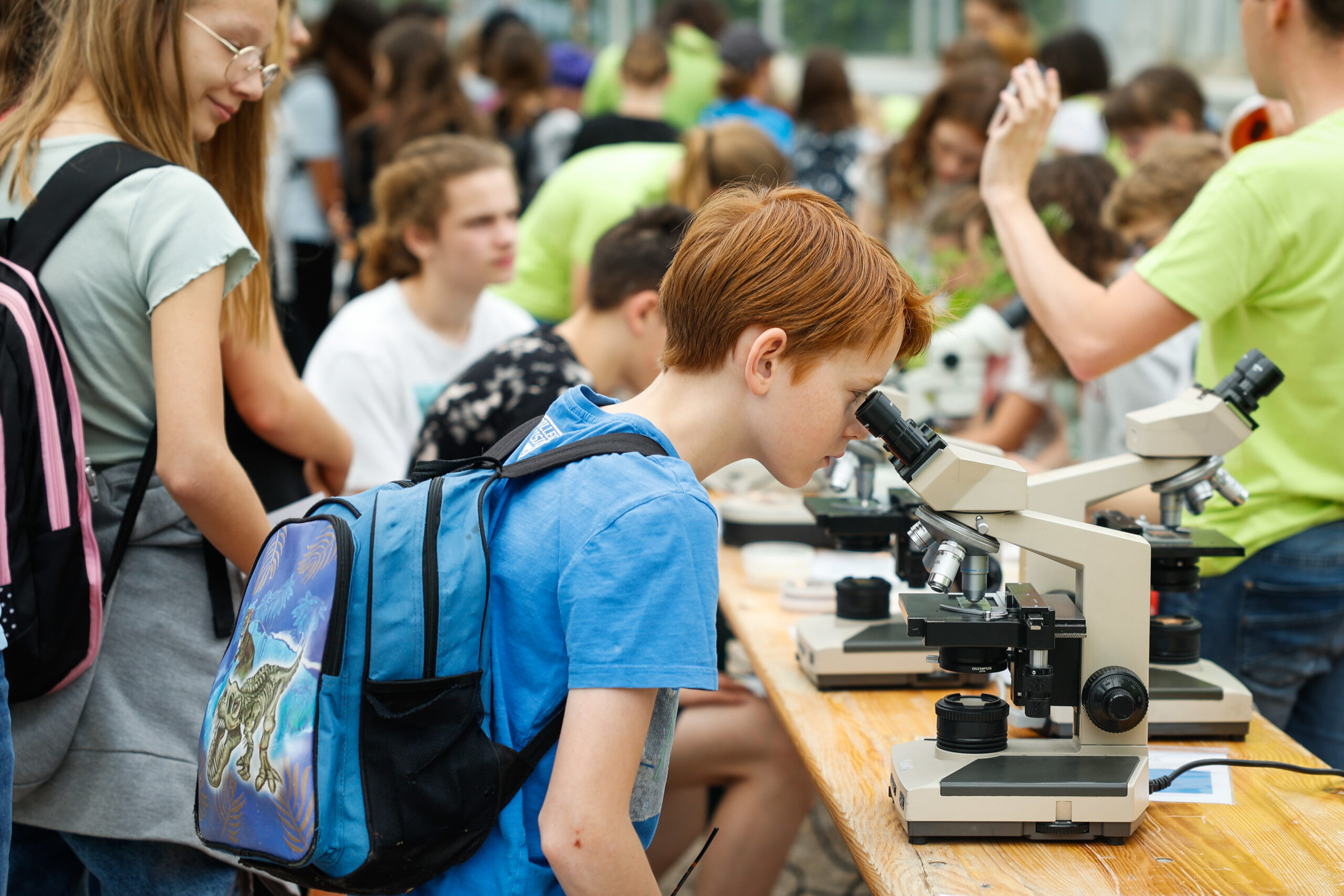
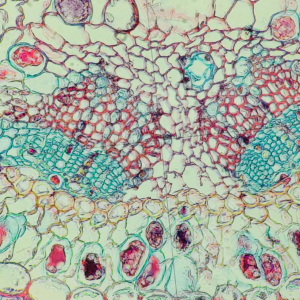 What Is Hidden Under the Microscope?
In nature, we can observe a wide variety of plants and animals. However, some organisms are too small to be seen with the naked eye. In such cases, we can use a microscope.
During the workshop, students will learn how a light microscope works and how to prepare a fresh specimen slide. In the second part, they will independently use microscopes to observe samples.
We will examine protozoa in a drop of water, observe chloroplasts in leaves, discover what gives flowers their color, identify the presence of starch in bananas, and explore the fascinating world under the microscope together.
Ecology
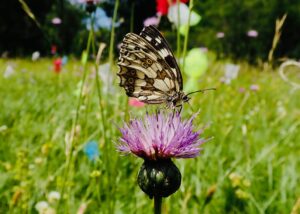 Interesting Facts from the World of Pollination and Plant Reproduction
Plants cannot move over long distances by themselves, so they often rely on animals for this purpose. In return, however, they must reward them with something — pollen, nutritious nectar, sweet fruits, or vitamin-rich superfood seeds!
We will explore how insects drink nectar and why bumblebees are sometimes called nectar thieves. We will look at where bees store pollen and what happens to seeds after ants carry them into their anthills. We will also present some of the trick’s plants use to deceive animals.
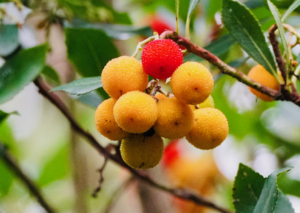 Flora of Slovenian Istria: Diversity and Environmental Adaptations
We will explore the characteristics of the flora and vegetation of Slovenian Istria and connect the features of individual plants with the environmental conditions prevailing in this area.
Students will become familiar with vegetation characteristic of the transition from Mediterranean to more continental climates. We will also learn about the diversity of halophytes and their adaptations to growing conditions in the immediate coastal environment.
In addition, we will explore marine flowering plants, their diversity, and methods of identification.