Univerza na Primorskem Fakulteta za matematiko, naravoslovje in informacijske tehnologije
Workshops
 Exploring Aromatic Plants Through Research
Medicinal and aromatic plants are an important component of the rich biodiversity of the Mediterranean region. These plants include a wide range of species with diverse chemical properties and have traditionally been used for therapeutic, aromatic, and culinary purposes.
Research at the Department of Applied Natural Sciences at University of Primorska Faculty of Mathematics, Natural Sciences and Information Technologies (UP FAMNIT) focuses on the study of the genetic and chemical characteristics of medicinal and aromatic plants, as well as on environmentally friendly and sustainable agriculture, considering the environmental and ecological characteristics of Mediterranean cultivation areas.
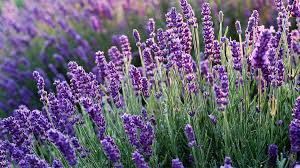
Students will be invited into the world of research on medicinal and aromatic plants, where they will become familiar with valuable medicinal and aromatic species (e.g. curry plant, Karst savory, lavender), their morphological characteristics, and methods for obtaining essential oils, hydrolates, and other plant extracts.
 Pollination – Invisible to the Eye, Yet Essential for Agriculture and Food Production
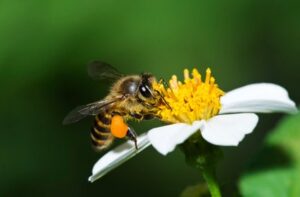
Pollination is crucial for life on our planet. Bees and other pollinators provide one of the most recognizable ecosystem services — pollination — without which food production would not be possible. Approximately 80% of agricultural and wild plants depend at least partly on insect pollination.
In Slovenia, the best-known pollinator is the Carniolan honey bee, but it is far from doing all the work. At least half of pollination in agriculture is carried out by wild pollinators, while in nature their contribution is even greater. These include wild bees (bumblebees and solitary bees), hoverflies, and other insects such as butterflies, certain beetles, and wasps.
During the workshop, students will learn about the importance of pollination and pollinators in agriculture and high-quality food production. They will learn the difference between pollination and fertilization and become familiar with pollen development, from tetrads and microspores to mature pollen.
Students will prepare an experiment to determine pollen viability and conduct an in vitro germination experiment with mature pollen. The results will be observed under a light microscope and a stereomicroscope.
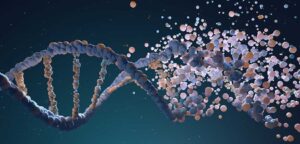 BIOINFORMATICS – From DNA Sequence to Phenotype
Bioinformatics is a scientific field that combines knowledge from biology, computer science, and mathematics. The main goal of bioinformatics is to decipher and provide insight into biological processes and to understand how changes influence these processes and the development of organisms.
Some example questions include: Which DNA mutation is responsible for the development of a disease? Which biological processes are affected by the mutation? How can disease development be prevented despite the mutation?
Compared to just a few years ago, today’s laboratory equipment can perform an enormous number of measurements (for example, determining the composition of human DNA) and store the results in large data files. Analyzing such data requires knowledge of biology, computer science, programming, algorithm development, and mathematical modelling.
During the workshop, students will independently carry out several practical examples of bioinformatics analysis in a computer classroom.